Tech · Nov 4, 2026 · 8 min read
iPad mini 2026 review: OLED, A20 Pro, and a higher price
Hands-on take on Apple’s 2026 iPad mini — 8.5-inch OLED, A20 Pro, IP67, fast charging, $699 starting price, and who should wait for a sale.
By Mark
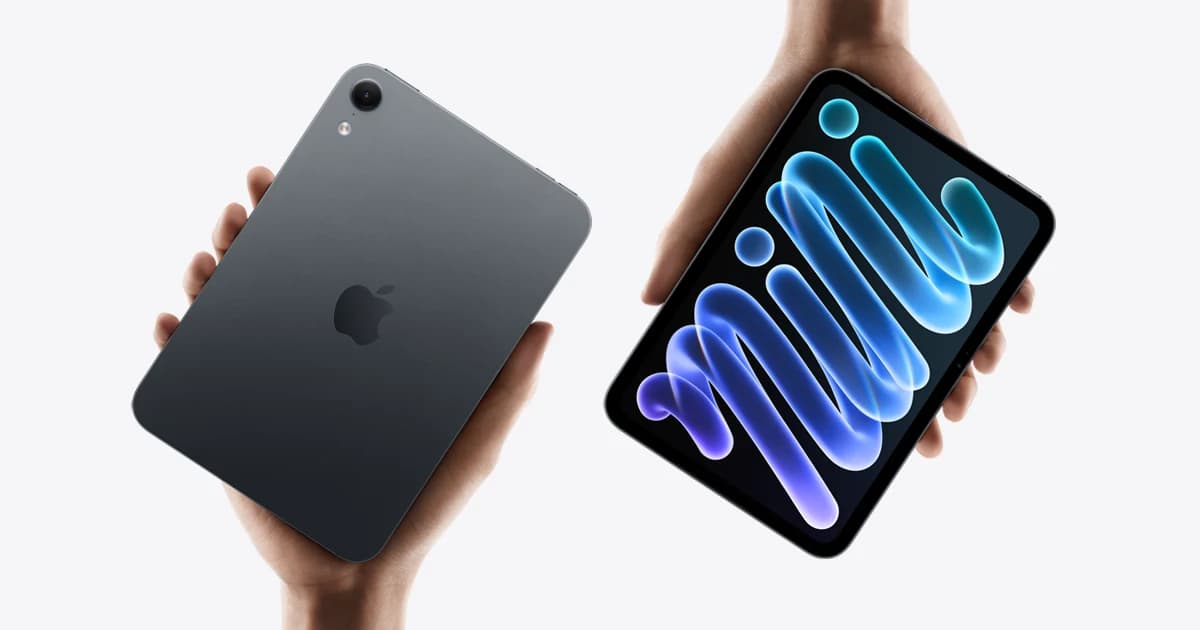
Apple finally treated the mini like a flagship instead of a side quest. The 2026 iPad mini (marketed around the A20 Pro chip) brings the first OLED panel in this size, a thinner body, dust and water resistance, and a price that starts at $699. Pre-orders opened late October; units began shipping around November 6.
This write-up pulls together Apple’s own claims plus early reviews from Macworld, Engadget, and 9to5Mac, then spins the take into plain buying advice: is the jump from the 2024 A17 Pro mini worth the cash?
Quick verdict
Buy it if you live on a small tablet for reading, travel video, Apple Pencil sketching, or one-handed browsing, and you care about blacks, contrast, and a body that is easier to toss in a bag.
Skip it (for now) if you are happy with last year’s mini, you need a 120Hz screen, or $699 for 128GB feels like “Pro money for a compact slate.” Waiting for holiday discounts or a discounted A17 Pro clear-out is rational.
Scorecard in plain language: display and design, excellent; performance, more than enough; refresh rate, still stuck at 60Hz; value, tougher than the 2024 launch.
Specs that matter
| Piece | 2026 iPad mini (A20 Pro) | Why it matters |
|---|---|---|
| Display | 8.5" Super Retina OLED (was 8.3" LCD) | Deeper blacks, higher contrast, better HDR |
| Brightness | Up to 600 nits SDR, 1200 nits peak HDR | Roughly double peak HDR vs the last mini |
| Refresh | 60Hz (no ProMotion) | Still the biggest software-feel miss |
| Chip / RAM | A20 Pro, 12GB RAM | Big step up from A17 Pro / 8GB |
| Storage | 128 / 256 / 512GB | 512GB unlocks a stronger Neural Engine config |
| Build | ~5.4 mm thin, ~255 g Wi-Fi | Thinner and lighter than the 6.3 mm / 293 g prior model |
| Colors | Midnight, Starlight | Fewer color options than 2024’s four finishes |
| Durability | IP67 | First mini with meaningful dust/water rating |
| Front camera | 12MP Center Stage on the landscape edge | Better for folio-style video calls |
| Audio | Acoustic Display speakers | Stronger bass; side speaker holes gone |
| Wireless | Wi-Fi 7, Bluetooth 6, Thread (N1); optional C2 cellular | Apple silicon networking, not Qualcomm |
| Charging | Fast charge: ~50% in ~30 minutes with a capable USB-C brick | Second iPad after Pro to get this |
| Price (US) | Starts $699 Wi-Fi; cellular ~+$150 | Up vs the old $499 launch / later $599 street |
Nano-texture glass is optional for glare control. Reviewers like it outdoors, but it is not on the cheapest 128GB SKU, so expect to land near $899+ before cellular if you want that finish.
Design and daily feel
Hold it next to the 2024 mini and the silhouette is familiar, but the details add up. Bezels shrink enough to fit a slightly larger panel in roughly the same footprint. Thickness drops to 5.4 mm. Weight falls into the mid-250g range for Wi-Fi. Engadget’s take matches Apple’s pitch: it is closer than ever to a tablet you forget is in the bag until you need it.
Finish choices narrow to business-friendly midnight and starlight. If you loved purple or blue, this refresh is more restrained.
IP67 is the sleeper feature. Apple sealed the chassis (helped by moving speakers under the display), so rain, poolside reading, or dusty fieldwork is less of a panic. It is not a dive computer, but it is a real upgrade for a travel tablet.
Touch ID stays in the top button. There is still no Face ID. That is fine for one-handed unlocks; it is annoying if you expected iPhone-class Face ID on a “Pro-ish” mini.
The OLED is the headline (60Hz is the footnote)
This is Apple’s first non-Pro iPad with OLED. It is not the tandem OLED stack from iPad Pro, but early hands-ons agree it is a night-and-day jump from Liquid Retina LCD: true blacks, ~2,000,000:1 contrast, punchier HDR, and better night reading thanks to a 1-nit minimum.
Use it for movies on a plane or comics in bed and you will notice. Scroll the web or play Arcade titles and the panel still looks richer than the old LCD.
Then the caveat every reviewer repeats: no ProMotion. The screen stays at 60Hz while even recent iPhones and iPad Pros offer smoother motion. Scrolling is fine; gaming and Pencil drawing do not feel as fluid as a Pro panel. If 120Hz is non-negotiable, you are shopping the wrong iPad size or waiting for a future mini that might never get it.
Nano-texture glass (where available) cuts outdoor glare hard. Engadget’s side-by-side sun tests make the glossy option look washed out. Worth the upcharge if you work outside a lot; skip it if you mostly sit indoors.
Performance: A20 Pro in a coat pocket
Apple put the same-generation A20 Pro family used in recent Pro iPhones into the mini, with 12GB of unified memory. Macworld and 9to5Mac both flag a quiet storage split:
- 128GB / 256GB: 5-core CPU, 7-core GPU, 16-core Neural Engine
- 512GB: 6-core CPU, 7-core GPU, Dual 16-core Neural Engine
Graphics claims land around up to 2.7x vs the prior mini; Apple quotes large gains for on-device AI (up to 4.5x on some GPU AI paths). Engadget ran modern ports like Control and No Man’s Sky without drama, and Lightroom adjustments felt instant after the first AI scan.
For normal mini jobs (mail, Safari, Kindle-style reading, Pencil notes, Arcade) even the base A20 Pro config is overkill. The 512GB dual Neural Engine mainly matters if you lean on heavier on-device AI apps.
Networking is modern too: Wi-Fi 7 via Apple’s N1, plus optional C2 cellular. Speedy 5G on a device this small is a real travel flex if you pay the cellular premium.
Battery and charging
Apple still talks about all-day use in the usual ~10-hour marketing band. Early Engadget use tracked that story: heavy gaming chewed through juice faster (think several hours), while video and light browsing stretched closer to the brochure. Fast charging is new for mini: with a strong USB-C adapter, ~50% in about half an hour is realistic.
Carry a 30W+ brick if you want that perk. The tiny tablet finally tops up like a modern phone.
Price reality check
| Config (Wi-Fi, US) | Approx. price |
|---|---|
| 128GB | $699 |
| 256GB | $799 |
| 512GB | $999 |
| Add cellular | ~+$150 |
| Nano-texture (from 256GB up) | Extra on top |
Versus the 2024 mini’s original $499 launch (later raised toward $599), this feels like a $100–$200 climb depending which price you remember. Feature-for-feature, OLED + thinner chassis + IP67 + A20 Pro explain the bump. Budget-wise, it pushes the mini toward “small Air / mini Pro” territory rather than impulse accessory.
Who should buy what
| You are… | Buy this | Why |
|---|---|---|
| Travel reader / video hopper who wants the best small screen | 2026 iPad mini | OLED + lighter body win |
| Artist who needs Pencil and pocket size | 2026 mini (consider 256GB+) | Power is fine; 60Hz is the only real Pencil caveat |
| On a strict budget | Discounted A17 Pro mini or base iPad | Same core apps for less |
| Want 120Hz and Face ID | iPad Pro (or Air if size is flexible) | Mini still skips those |
| Need max on-device AI headroom | 512GB mini | Dual Neural Engine config |
FAQ
Is this iPad mini 8?
Apple markets it by chip (A20 Pro) more than a number. In conversation, “2026 mini” or “OLED mini” is clearer than generation math.
Does it support Apple Pencil Pro?
Yes, same modern Pencil story as the recent mini: Pencil Pro / USB-C Pencil workflows continue. The limiting factor is still the 60Hz panel, not Pencil pairing.
Is nano-texture worth it?
If you edit or read outdoors often, reviewers say yes. If you live under soft indoor light, glossy OLED already looks great and saves money.
Should I get cellular?
Only if you leave Wi-Fi behind a lot. The hardware is excellent; the monthly plan is the real cost.
Bottom line
The 2026 iPad mini is the biggest leap this line has seen in years: OLED, a serious A20 Pro brain, IP67, better speakers, faster charging, and a body that finally feels pocket-first. The tradeoffs are honest and familiar: 60Hz, no Face ID, fewer colors, and a $699 floor that asks you to really want the small form factor.
If the mini is your favorite Apple size, this is the upgrade that finally feels like a new generation instead of a chip swap. If you only need “a cheap small tablet,” last year’s machine or a sale is still the smarter wallet move.